
One Body. Many Systems. One Integrated Approach.






Fever
In Siddha Perspective, associated with derangement of Pitham and accumulation of toxins affecting systemic balance.
Symptoms:
Elevated body temperature, chills, body ache, fatigue, headache, loss of appetite, and excessive thirst.
Pathophysiology:
Aggravated Pitham increases internal heat, while impaired digestive fire allows toxins to circulate within the body. Infection and environmental factors further disturb humoral balance.
In Modern Perspective, recognised as an increase in body temperature due to infection, inflammation, or immune activation.
Pathophysiology:
Pyrogens stimulate the hypothalamus to raise the body's temperature set point as part of the immune response.

Gastrointestinal Diseases
In Siddha Perspective, linked to impaired Agni and imbalance of Vatham, Pitham, and Kabam affecting digestion.
Symptoms:
Abdominal pain, bloating, indigestion, constipation, diarrhea, nausea, and loss of appetite.
Pathophysiology:
Weak digestive fire results in improper digestion and accumulation of toxins, disturbing intestinal motility and nutrient absorption.
In Modern Perspective, recognised as disorders affecting the digestive tract and associated organs.
Pathophysiology:
Inflammation, infection, altered gut motility, enzyme deficiencies, and structural abnormalities contribute to gastrointestinal diseases.
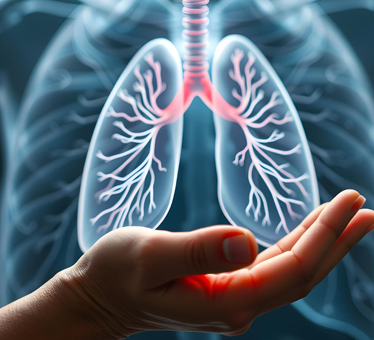
Lung Diseases
In Siddha Perspective, associated with aggravated Kabam affecting respiratory channels and lung function.
Symptoms:
Cough, breathlessness, wheezing, chest heaviness, sputum production, and fatigue.
Pathophysiology:
Excess Kabam accumulates within the respiratory tract causing obstruction, impaired oxygen exchange, and susceptibility to recurrent infections.
In Modern Perspective, recognised as diseases affecting airways, lung tissue, and respiratory function.
Pathophysiology:
Inflammation, infection, airway narrowing, fibrosis, and environmental exposures impair ventilation and gas exchange.
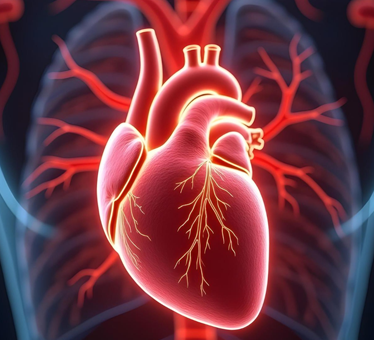
Cardiovascular Diseases
In Siddha Perspective, linked to disturbances in Vatham affecting circulation and vitality.
Symptoms:
Chest discomfort, palpitations, fatigue, breathlessness, dizziness, and swelling of the lower limbs.
Pathophysiology:
Aggravated Vatham disrupts the normal movement of blood and nutrients through body channels, leading to impaired circulation and tissue nourishment.
In Modern Perspective, recognised as disorders affecting the heart and blood vessels.
Pathophysiology:
Atherosclerosis, hypertension, inflammation, and metabolic disorders impair cardiac function and vascular integrity.

Endocrine Disorders
In Siddha Perspective, connected to deep tissue and hormonal imbalance.
Symptoms:
Weight changes, fatigue, menstrual irregularities, excessive thirst, hair loss, mood disturbances, and reduced vitality.
Pathophysiology:
Disturbance in Kabam and weakened metabolic fire impair the regulation of body tissues and hormonal activities, affecting growth, metabolism, and reproduction.
In Modern Perspective, recognised as hormonal or gland-related disorders.
Pathophysiology:
Endocrine disorders arise from overproduction, underproduction, or abnormal response to hormones produced by endocrine glands.
General Medicine
Herbal formulations that work from within to rebalance and restore the three humors to heal from within.
In Modern Perspective, studies show many Siddha herbs have anti-inflammatory and hormone-supporting effects.