
Women's Health Deserves More Than a Prescription












Menstrual Disorders
Irregular Periods, Amenorrhea & Dysmenorrhea
In Siddha Perspective, seen as Vatham-Pitham imbalance disturbing menstrual rhythm.
Symptoms:
Irregular menstrual cycles, absence of menstruation, painful cramps, lower abdominal pain, backache, fatigue, mood changes, and nausea.
Pathophysiology:
Aggravation of Vatham, particularly Apana Vayu, interferes with the downward flow governing menstruation, while increased Pitham contributes to inflammation and hormonal disturbances. Improper diet, stress, excessive physical exertion, obesity, and sleep disturbances can worsen the imbalance.
In Modern Perspective, linked to hormonal fluctuations affecting the cycle.
Pathophysiology:
Disruption of the hypothalamic-pituitary-ovarian axis alters the production of estrogen and progesterone, affecting ovulation and menstrual regularity. Endocrine disorders, stress, nutritional deficiencies, and reproductive conditions may contribute.
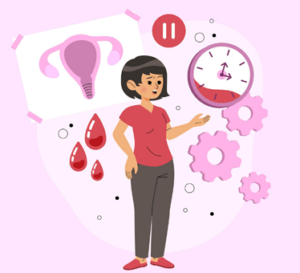 Menorrhagia & Oligomenorrhea
In Siddha Perspective, tied to excess Pitham and blood-heat imbalance.
Symptoms:
Heavy menstrual bleeding, prolonged periods, passage of clots, weakness, dizziness, infrequent cycles, and anemia-related symptoms.
Pathophysiology:
Increased Pitham causes excessive heat within Senneer, resulting in abnormal uterine bleeding. Disturbed Vatham may also alter the frequency and duration of menstrual cycles.
In Modern Perspective, associated with hormonal or uterine lining changes.
Pathophysiology:
Hormonal imbalance, ovulatory dysfunction, thyroid disease, fibroids, and abnormalities of the endometrium can affect menstrual volume and frequency.
 Polycystic Ovarian Disease/Syndrome (PCOD/PCOS)
In Siddha Perspective, linked to Kabam and hormonal imbalance affecting the ovaries.
Symptoms:
Irregular periods, weight gain, acne, excessive hair growth, difficulty conceiving, scalp hair thinning, and fatigue.
Pathophysiology:
Aggravated Kabam contributes to sluggish metabolism, excessive accumulation of body fat, and obstruction of ovarian function. Disturbed Vatham further affects ovulation and reproductive balance.
In Modern Perspective, recognised as a common hormonal and metabolic condition.
Pathophysiology:
Insulin resistance and excess androgen production interfere with follicular maturation, resulting in multiple immature ovarian follicles and ovulatory dysfunction.
 Ovarian Cysts & Endometriotic Cysts
In Siddha Perspective, seen as stagnant Kabam forming fluid-filled growths.
Symptoms:
Pelvic pain, bloating, irregular menstruation, pain during intercourse, lower abdominal heaviness, and infertility
Pathophysiology:
Excess Kabam accumulates within reproductive tissues, causing stagnation and cyst formation. Disturbed Vatham may contribute to pain and altered menstrual patterns.
In Modern Perspective, identified as benign fluid-filled ovarian growths.
Pathophysiology:
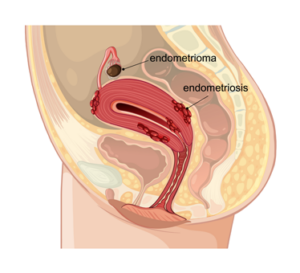
Functional cysts develop during ovulation, while endometriotic cysts result from ectopic endometrial tissue responding to hormonal cycles.
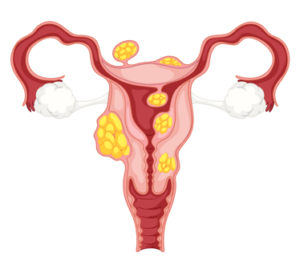 Fibroid Uterus
In Siddha Perspective, tied to Kabam excess causing abnormal tissue growth.
Symptoms:
Heavy bleeding, pelvic pain, abdominal enlargement, urinary frequency, constipation, and reproductive problems.
Pathophysiology:
Persistent aggravation of Kabam promotes abnormal proliferation of uterine tissues, while Vatham disturbance contributes to pain and pressure symptoms.
In Modern Perspective, recognised as non-cancerous uterine muscle growths.
Pathophysiology:
Fibroids arise from proliferation of smooth muscle cells influenced by estrogen and progesterone.
 Endometrial Hyperplasia & Polyps
In Siddha Perspective, linked to hormonal imbalance affecting the uterine lining.
Symptoms:
Abnormal uterine bleeding, prolonged periods, spotting between cycles, pelvic discomfort, and fatigue.
Pathophysiology:
Aggravated Pitham and disturbed reproductive metabolism lead to excessive thickening of the uterine lining and localized tissue overgrowth.
In Modern Perspective, associated with excess estrogen affecting the lining.
Pathophysiology:
Unopposed estrogen stimulation causes abnormal proliferation of endometrial tissue, predisposing to hyperplasia and polyp formation.
Internal Medicine
Internal Siddha medicines ,herbal and mineral formulations that regulate hormonal balance naturally
Varmam therapy
Varmam therapy, stimulating vital points to restore reproductive organ health
Thokkanam
Thokkanam ,therapeutic massage that aids circulation in the pelvic region
Yoga and Kayakarpam
Yoga and Kayakarpam, movement-based therapies that reduce stress and support hormonal health.
Food and lifestyle
Food and lifestyle correction, because what you eat directly impacts your cycle
Exercise therapy
Exercise therapy and Sleep cycle correction, often overlooked but critical to hormonal balance