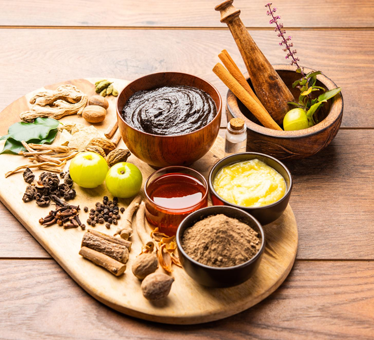
You Shouldn't Have to Just Live With the Pain







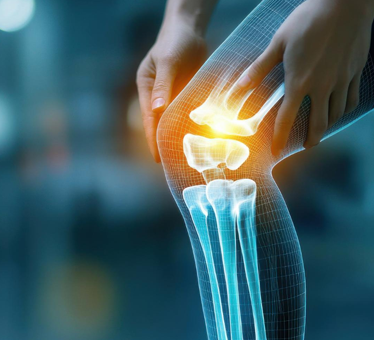
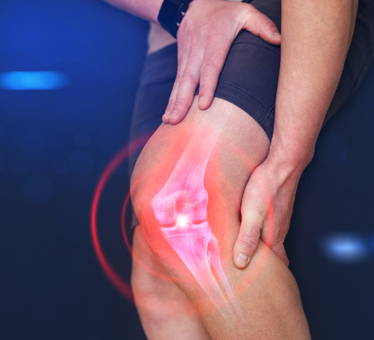
Arthritis
In Siddha Perspective, seen as Vatham vitiation affecting joints and movement.
Symptoms:
Joint pain, stiffness, swelling, reduced mobility, crepitus, and difficulty performing daily activities.
Pathophysiology:
Aggravated Vatham causes degeneration, dryness, and stiffness in joints. Inflammatory changes involving Pitham may produce swelling and warmth.
In Modern Perspective, recognised as joint inflammation and wear.
Pathophysiology:
Degeneration of cartilage, autoimmune inflammation, and mechanical stress contribute to osteoarthritis and rheumatoid arthritis.
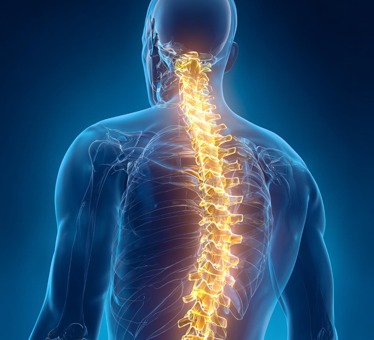
Vertebral and Spinal Cord Diseases
In Siddha Perspective, linked to Vatham disturbance along the spine's energy channels.
Symptoms:
Neck pain, back pain, radiating pain, nmbness, muscle weakness, and restricted spinal movement.
Pathophysiology:
Disturbed Vatham impairs the flow of energy through spinal pathways, resulting in pain, stiffness, and nerve compression symptoms.
In Modern Perspective, identified as structural and nerve-related spinal issues.
Pathophysiology:
Degenerative disc disease, spondylosis, herniation, and spinal stenosis compress neural structures and impair function.
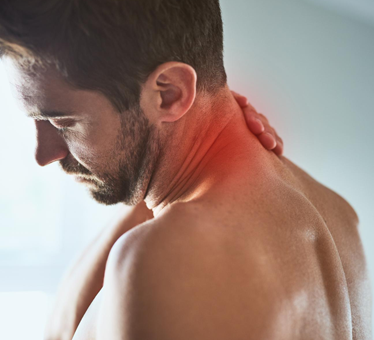
Fibromyalgia
In Siddha Perspective, tied to widespread Vatham imbalance affecting muscles and energy.
Symptoms:
Widespread body pain, tiredness, sleep disturbances, memory difficulties, and mood changes.
Pathophysiology:
Aggravated Vatham disturbs muscular nourishment and nervous system coordination, resulting in generalized pain and fatigue.
In Modern Perspective, recognised as a central nervous system pain disorder.
Pathophysiology:
Abnormal processing of pain signals within the brain and spinal cord increases sensitivity to painful stimuli.

Muscle Injuries and Ligament/Tendon Damage
In Siddha Perspective, seen as localized Vatham disruption from physical strain.
Pathophysiology:
Trauma and excessive strain aggravate Vatham, leading to impaired circulation and delayed healing of soft tissues.
Symptoms:
Pain, swelling, bruising, stiffness, weakness, and limited movement.
In Modern Perspective, identified as tissue damage from strain or injury.
Pathophysiology:
Overstretching, tearing, or repetitive stress damages muscles, ligaments, and tendons, causing inflammation and impaired function.
Symptoms:
Localized pain, tenderness, swelling, bruising, instability, and reduced strength.
Myofascial Pain
In Siddha Perspective, linked to Vatham blockage at specific trigger points.
Symptoms:
Localized pain, muscle tightness, restricted movement, referred pain, and tenderness.
Pathophysiology:
Obstruction of Vatham flow within muscles causes persistent contraction and formation of painful nodules.
In Modern Perspective, recognised as localized muscle and fascia tightness.
Pathophysiology:
Trigger points develop within skeletal muscles due to overuse, injury, poor posture, or stress.
Neuropathic Pain, Headaches & Migraines
In Siddha Perspective, tied to Vatham imbalance affecting nerve signals.
Symptoms:
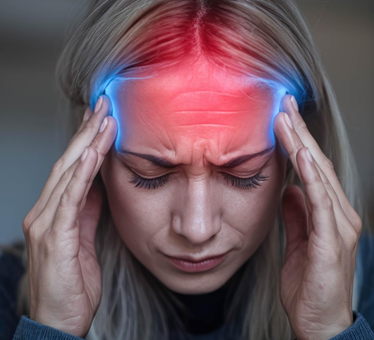
Burning pain, tingling, numbness, headache, light sensitivity, nausea, and dizziness.
Pathophysiology:
Aggravated Vatham disrupts normal transmission of sensory impulses, causing chronic nerve pain and recurrent headaches.
In Modern Perspective, identified as nerve-related pain affecting the head and body.
Pathophysiology:
Nerve injury, altered neurotransmitter activity, and vascular changes contribute to neuropathic pain and migraine disorders.
We use a combination of therapies, chosen based on your specific condition and body constitution:
Varmam Therapy
Varmam therapy, precise stimulation of energy points that can provide remarkable relief for nerve and joint pain
Thokkanam
Thokkanam, a powerful therapeutic massage system used in Siddha for musculoskeletal conditions
Vedhu
Vedhu, steam therapy for joint stiffness and pain
Suttigai
Suttigai, a unique Siddha cauterization technique for specific pain conditions
Kattu
Kattu, bandaging and wrapping with medicated materials
Pattru
Pattru, poultice applications directly over the affected area
Leech Therapy
Leech Therapy, used for inflammatory joint conditions and localized pain relief
Internal Siddha medicines and Yoga
Internal Siddha medicines and Yoga, for systemic pain management and long-term prevention